Arctic cooperation is increasingly being questioned in the wake of Russia’s 2022 military actions in Ukraine.
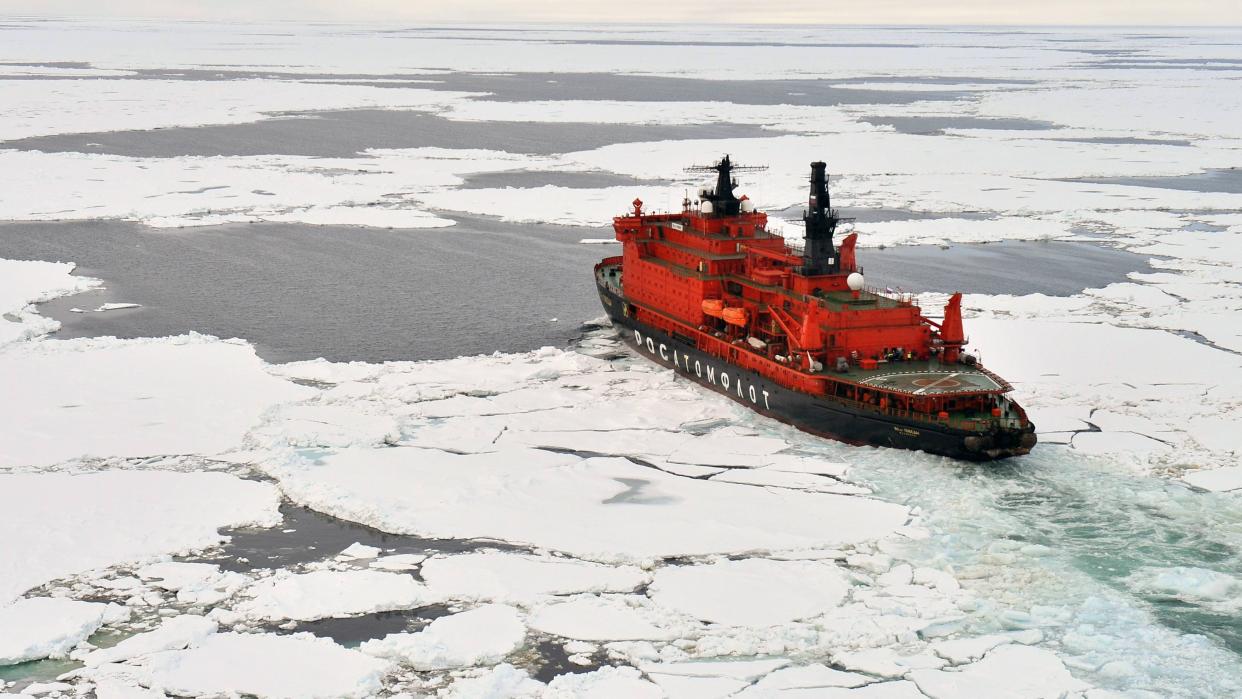
Arctic cooperation is increasingly being questioned in the wake of Russia’s 2022 military actions in Ukraine. Accordingly, many international scholars have declared the narrative of ‘Arctic exceptionalism’ dead or corrupted. Through an analysis of political rhetoric, this paper re-evaluates the construction of Arctic exceptionalism, popularly connected to Mikhail Gorbachev’s 1987 Murmansk speech calling for an Arctic ‘zone of peace’. It is argued that a full picture of this narrative is incomplete without consideration of the developments in Arctic cooperation and conflict in the context of Dmitry Medvedev’s modernisation and multilateralism initiatives as well as Vladimir Putin’s enduring commitment to a defensive and nationalistic foreign policy. Moreover, Medvedev and Putin diverged from Gorbachev’s Arctic exceptionaism due to disparate ideologies and views on militarisation, as well as the global context of interstate mistrust. These insights allow for a new understanding of the dilemma of cooperation and conflict in the Arctic, a microcosm of the Russia-West relationship.
Donald Trump Should Not Repeat Woodrow Wilson’s Failure
April 30th is an important date in American politics. This is the day 100 for the American President in the White House, and all attention will be on the reports of his achievements and failures. But nothing can be more critical than Peace…
○
6 mins read
A Holocaust perpetrator was just celebrated on US soil. I think I know why no one objected.
Russia’s invasion has made ordinarily outspoken critics of antisemitism wary of criticizing Ukrainian Nazi collaborators
○
1 min read
Qi Book Talk: The Culture of the Second Cold War by Richard Sakwa
Richard Sakwa has for many years been one of the most distinguished and insightful observers of relations between the West and Russia, and one of the leading critics of Western policy. In this talk with Anatol Lieven, director of the Eurasia program at the Quincy Institute, Sakwa discusses his book, The Culture of the Second Cold War (Anthem 2025). The book examines the cultural-political trends and inheritances that underlie the new version of a struggle that we thought we had put behind us in 1989. Sakwa describes both the continuities from the first Cold War and the ways in which new technologies have reshaped strategies and attitudes.