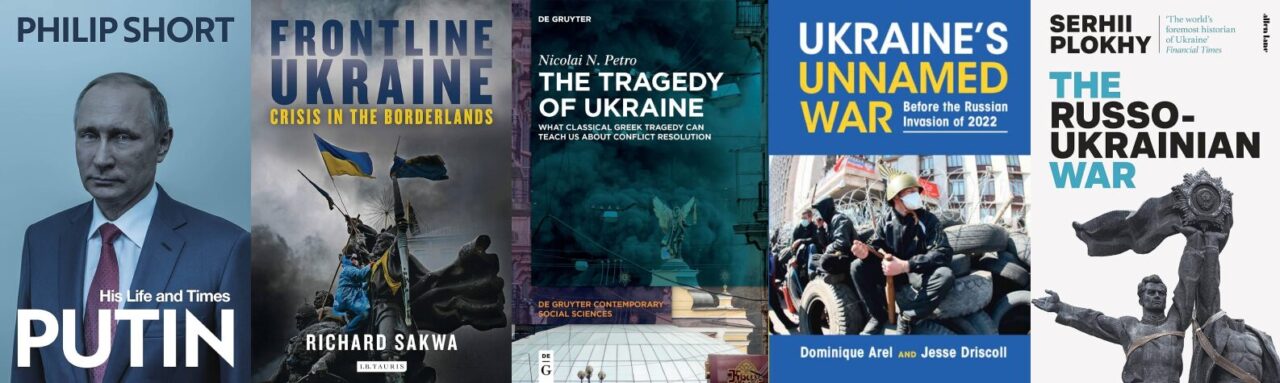
The Russo-Ukrainian war is Putin’s war. Putin took the decision to invade Ukraine. He is the one who will decide how far the Russian army penetrates into Ukraine and how and when the war will end.
To understand the war’s causes, course, and consequences, we need to get inside Putin’s head. Philip Short’s is by far the best Putin biography. What impressed me most was Short’s dedication to avoiding stereotypes and telling Putin’s amazing story as truthfully as he could.
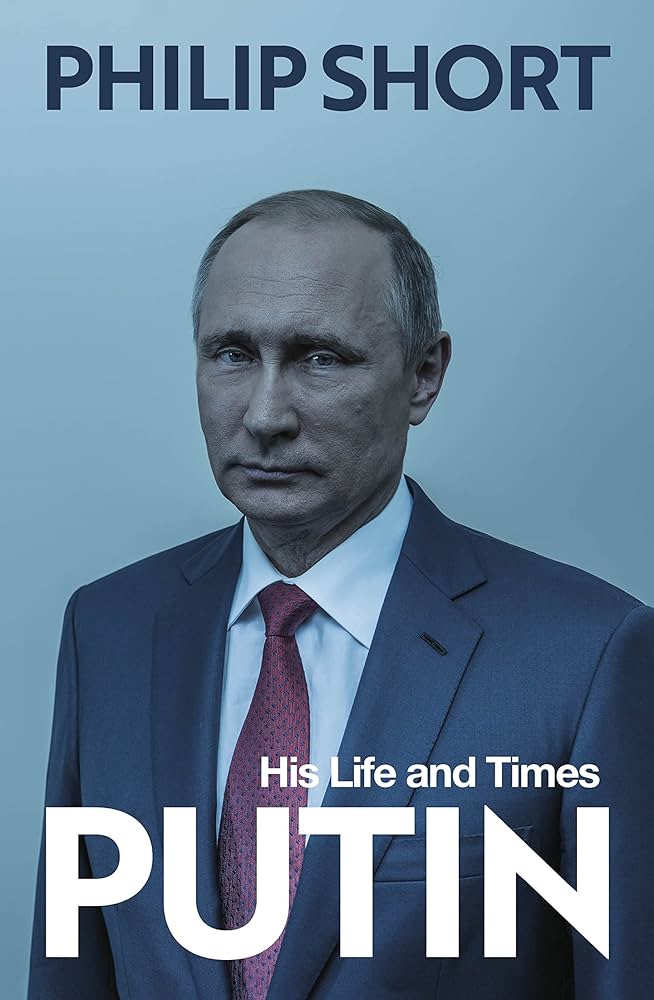
Frontline Ukraine: Crisis in the Borderlands
By Richard Sakwa
The Ukraine crisis began in 2014 with the popular “Maidan” uprising that toppled the country’s pro-Russian president. Russia’s seizure of the Crimean peninsula was followed by civil war and the takeover by pro-Russian rebels of Eastern Ukraine’s Donbas region.
Sakwa focuses on the international factors that exacerbated internal splits within Ukraine. Crucially, the crisis might have been avoided altogether if the United States, EU, and NATO had found a way to incorporate Russia into the post-Cold War order in Europe that emerged after the collapse of the USSR in 1991.
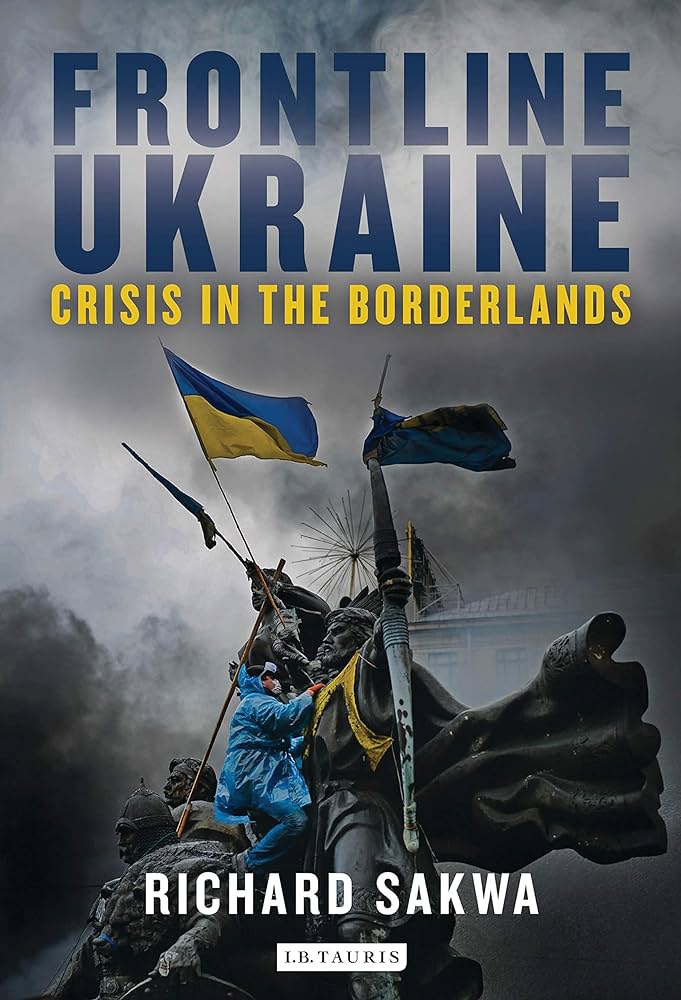
The Tragedy of Ukraine: What Classical Greek Tragedy Can Teach Us About Conflict Resolution
By Nicolai N. Petro
Nicolai Petro uses classical Greek tragedy to analyse the internal Ukrainian divisions that eventually led to war with Russia. As Petro points out, Greek drama was a means of reconciliation as well as entertainment and was designed to foster civic dialogue about the roots of conflict situations and the dangers of disaster for all concerned.
Petro remains hopeful, if not optimistic, that all Ukrainians, freed from malevolent foreign influences, can ameliorate their deep differences about their country’s preferred identity and find a way to co-exist with each other.
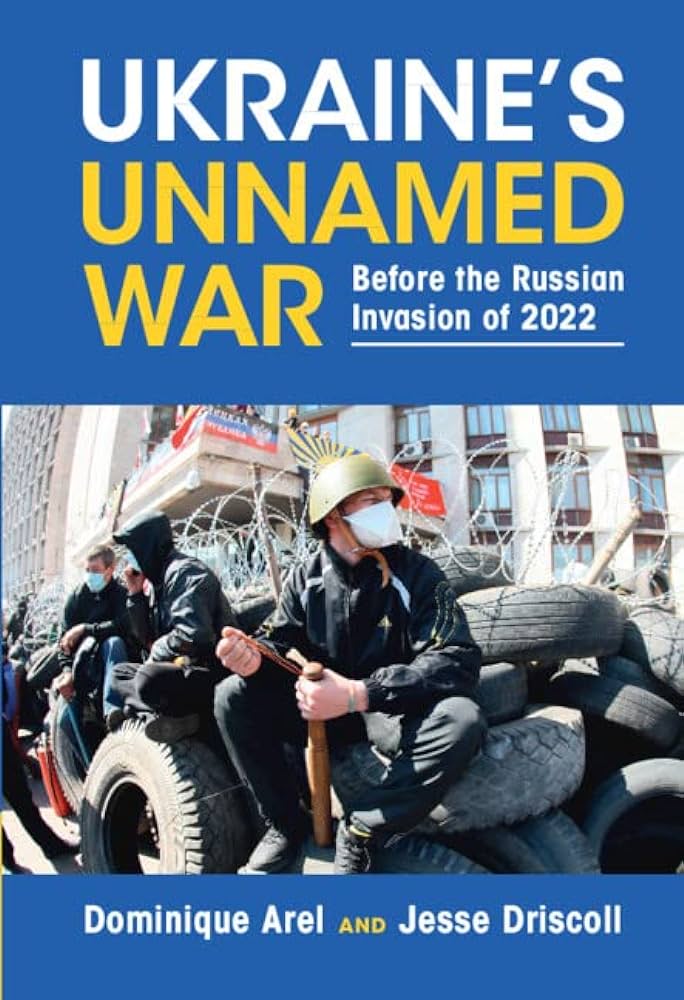
Ukraine’s Unnamed War: Before the Russian Invasion of 2022
By Dominique Arel, Jesse Driscoll
Political scientists Arel and Driscoll deal with the period between the Maidan revolt of 2014 and the 2022 invasion.
They point out that the Maidan events provoked a three-way split in Ukraine between pro-Western Ukrainians, pro-Russia Ukrainians, and those in the middle who wanted neither to join the Russian Federation nor to distance themselves from it. Most of these neutrals remained loyal to the Ukrainian nationalist government in Kyiv and continued to do so after the Russian invasion in February 2022.
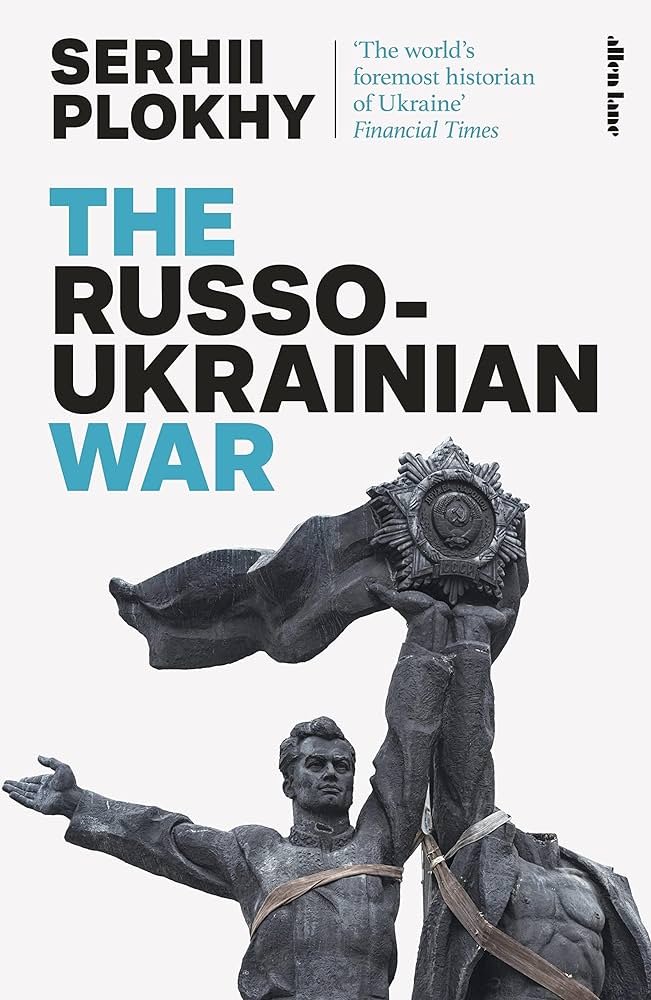
The Russo-Ukrainian War: The Return of History
By Serhii Plokhy
Plokhy is a renowned Ukrainian-American historian who makes no secret of where his sympathies lie. His partisan, pro-Ukraine narrative of the war and its origins is vigorous and informative.
Of particular value is his highly illuminating account of the triangular relationship between Russia, Ukraine, and the United States in the run-up to the war.
Donald Trump Should Not Repeat Woodrow Wilson’s Failure
April 30th is an important date in American politics. This is the day 100 for the American President in the White House, and all attention will be on the reports of his achievements and failures. But nothing can be more critical than Peace…
○
6 mins read
A Holocaust perpetrator was just celebrated on US soil. I think I know why no one objected.
Russia’s invasion has made ordinarily outspoken critics of antisemitism wary of criticizing Ukrainian Nazi collaborators
○
1 min read
Qi Book Talk: The Culture of the Second Cold War by Richard Sakwa
Richard Sakwa has for many years been one of the most distinguished and insightful observers of relations between the West and Russia, and one of the leading critics of Western policy. In this talk with Anatol Lieven, director of the Eurasia program at the Quincy Institute, Sakwa discusses his book, The Culture of the Second Cold War (Anthem 2025). The book examines the cultural-political trends and inheritances that underlie the new version of a struggle that we thought we had put behind us in 1989. Sakwa describes both the continuities from the first Cold War and the ways in which new technologies have reshaped strategies and attitudes.