President Donald Trump’s top environmental regulator is recommending the US government scrap its formal conclusion that greenhouse gases endanger the public, a move that would sweep away the legal foundation for regulations limiting planet-warming pollution from power plants, automobiles and oil wells.
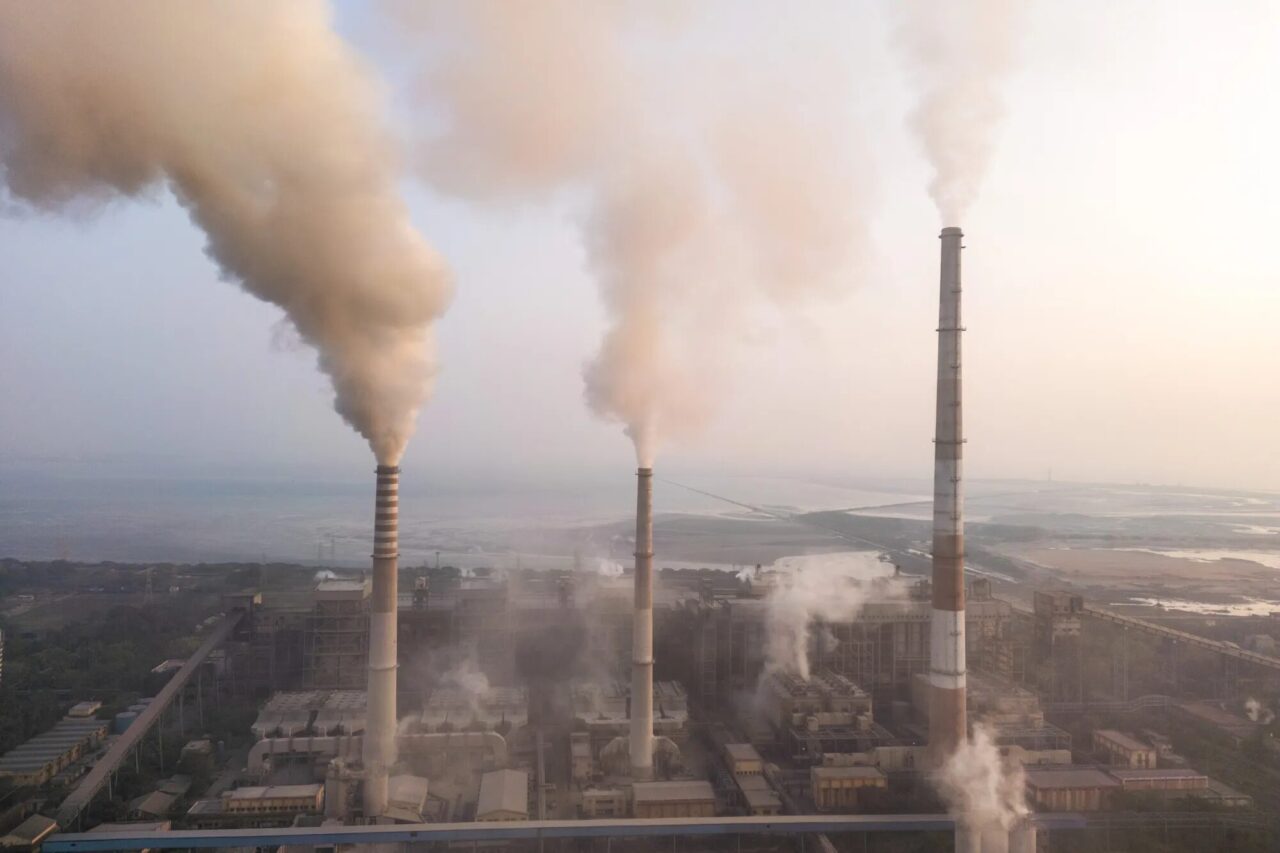
At issue is the EPA’s 2009 conclusion that several different greenhouse gases threaten the public health and welfare of current and future generations.Photographer: Prashanth Vishwanathan/Bloomberg
Environmental chief urges rewrite of 2009 climate finding
Measure provides legal foundation for array of climate rules
In private recommendations to Trump, Environmental Protection Agency Administrator Lee Zeldin has urged a rewrite of the so-called endangerment finding, setting the stage for a potentially sweeping attack on federal climate regulations. The recommendations were described by people familiar with the matter who asked not to be identified because the assessment isn’t public.
The president has frequently criticized what he calls the “green new scam,” referring to government policies fighting climate change and promoting emission-free energy. Trump hasn’t formally endorsed the plan outlined by Zeldin, and it’s unclear if he will embrace it. But if he does, the effort would dovetail with priorities such as building more power plants and abolishing incentives for electric vehicle sales. And it would be consistent with recent Trump administration moves to retreat from work on climate change, including preventing a US official from attending a scientific meeting on the issue in China.
“This is the holy grail of the climate agenda,” said Marc Morano, who runs the climate-skeptic website ClimateDepot.com. “If you want to permanently cripple the United States climate agenda you have to go at the heart of it. This is the heart of it: the endangerment finding.”
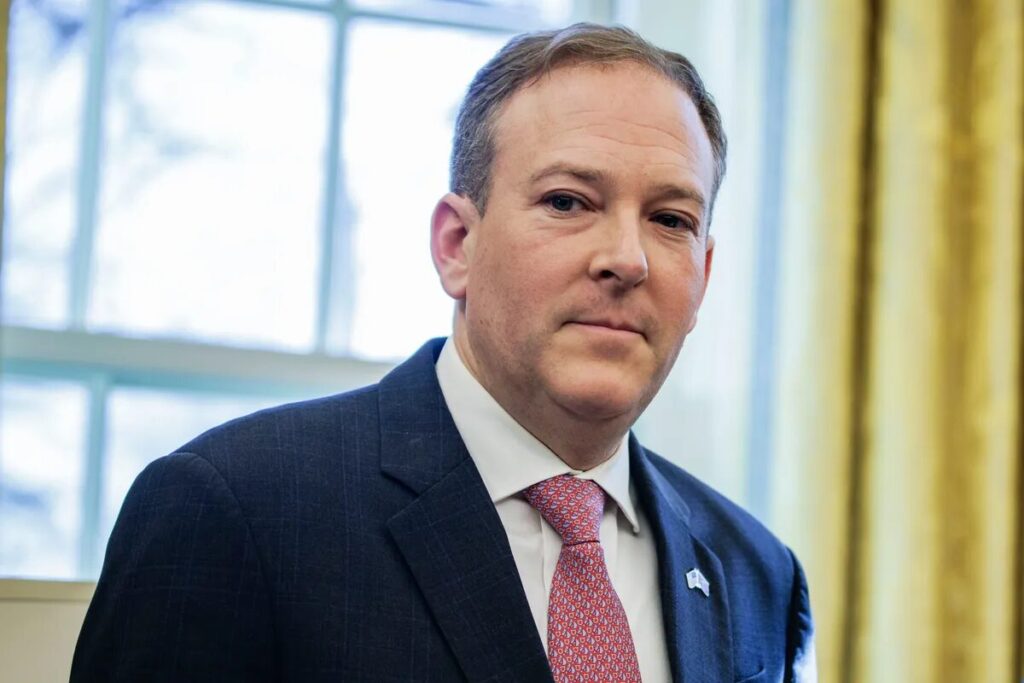
Lee ZeldinPhotographer: Samuel Corum/Sipa/Bloomberg
Zeldin delivered his recommendations to Trump a month after the president tasked the EPA with determining the “legality and continuing applicability” of the endangerment finding as part of a Jan. 20 executive order.
The EPA said Wednesday in an emailed statement that it was “in compliance” with the president’s executive order mandate for the agency to submit recommendations on the legality and continuing applicability of the 2009 endangerment finding. The Washington Post earlier reported on Zeldin’s recommendations.
Energy businesses and some Trump allies are divided over the wisdom of a frontal attack on the endangerment finding. Some are concerned the effort would siphon time and manpower from other regulatory priorities, including rewriting Biden-era rules governing power plant and automobile pollution. It could take years for the EPA to go through a required rulemaking process to unwind the endangerment finding, and even then, it might not survive inevitable legal challenges.
Energy companies also have warned that doing away with the endangerment finding, and the federal climate regulations it supports, could revive public nuisance lawsuits against oil producers and power plant operators. Under a 2010 Supreme Court decision, federal climate regulation under the Clean Air Act has effectively precluded those claims.
At issue is the EPA’s 2009 conclusion that carbon dioxide, methane and four other greenhouse gases threaten the public health and welfare of current and future generations. The EPA was effectively compelled to assess the matter after the Supreme Court in 2007 affirmed the agency’s authority to regulate greenhouse gases as air pollutants under the Clean Air Act. At that point, it was up to the EPA to determine whether greenhouse gases constituted a threat that should be regulated.
But critics argue Congress designed the Clean Air Act to regulate localized pollutants, not those with widespread, global effects, and some have been pushing for repeal of the endangerment finding ever since. A policy blueprint drafted by conservative groups and Trump loyalists known as Project 2025 recommended addressing the endangerment finding.
A reversal generally would require the EPA to gather fresh evidence to support an opposing conclusion: that greenhouse gases aren’t a threat at all. Environmentalists argue that would fly in the face of a growing scientific body of evidence that greenhouse gas emissions are the primary driver of climate change.
“There is a lot of shocking stuff happening now, but to completely deny climate change and any federal obligation to control the pollution that’s driving it would be shocking and irresponsible,” said David Doniger, senior attorney with the Natural Resources Defense Council.
Environmental advocates contend it also would be illegal.
“Climate pollution is air pollution, and it is fueling a crisis,” said Margie Alt, director of the Climate Action Campaign. “There is no scientific basis – none – to claim otherwise.”
Donald Trump Should Not Repeat Woodrow Wilson’s Failure
April 30th is an important date in American politics. This is the day 100 for the American President in the White House, and all attention will be on the reports of his achievements and failures. But nothing can be more critical than Peace…
○
6 mins read
A Holocaust perpetrator was just celebrated on US soil. I think I know why no one objected.
Russia’s invasion has made ordinarily outspoken critics of antisemitism wary of criticizing Ukrainian Nazi collaborators
○
1 min read
Qi Book Talk: The Culture of the Second Cold War by Richard Sakwa
Richard Sakwa has for many years been one of the most distinguished and insightful observers of relations between the West and Russia, and one of the leading critics of Western policy. In this talk with Anatol Lieven, director of the Eurasia program at the Quincy Institute, Sakwa discusses his book, The Culture of the Second Cold War (Anthem 2025). The book examines the cultural-political trends and inheritances that underlie the new version of a struggle that we thought we had put behind us in 1989. Sakwa describes both the continuities from the first Cold War and the ways in which new technologies have reshaped strategies and attitudes.