

○
10 mins read
Ukraine and American Empire
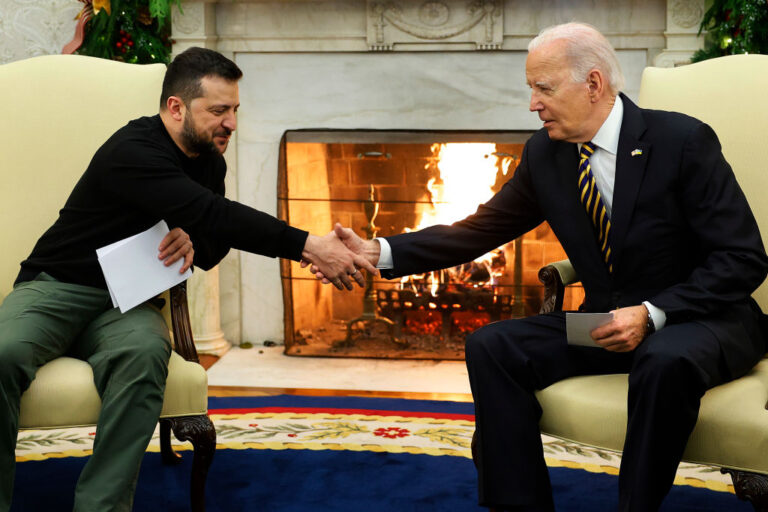
Zelensky’s position is getting more untenable by the day.
10 mins read
Zelensky’s position is getting more untenable by the day.

4 mins read
A watertight legal basis for confiscations is lacking because the US and its allies are not openly at war with Moscow

1 min read
2024 US elections and project Ukraine w/ Jim Jatras
4 mins read
Many readers of Antiwar.com have wondered why they have seen no new articles from me in more than 6 weeks. The answer is that I was battling heart and other health issues that nearly took my life. At one point, my principal cardiologist told my wife that I was unlikely to make it out of the hospital. Subsequently, I spent 3 weeks in the Intensive Care Unit trying to prove him wrong. Fortunately, I survived the crisis and am now on the road to (a slow) recovery.
12 mins read
Afew days after the October 7 attacks in northern Israel, The Atlantic Council ran an inflammatory article on its website by Jonathan Panikoff, a former deputy national intelligence officer, entitled “It doesn’t matter whether Iran planned the Hamas attack—Tehran is still to blame.”[1

2 mins read
Can 2024 be any worse?
3 mins read
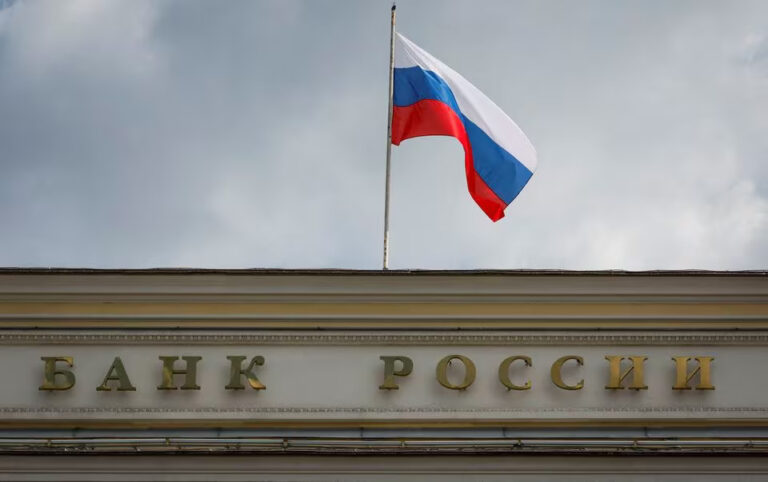
MOSCOW, Dec 28 (Reuters) – After President Vladimir Putin sent troops into Ukraine in 2022, the United States and its allies prohibited transactions with Russia’s central bank and finance ministry, blocking around $300 billion of sovereign Russian assets in the West.
6 mins read
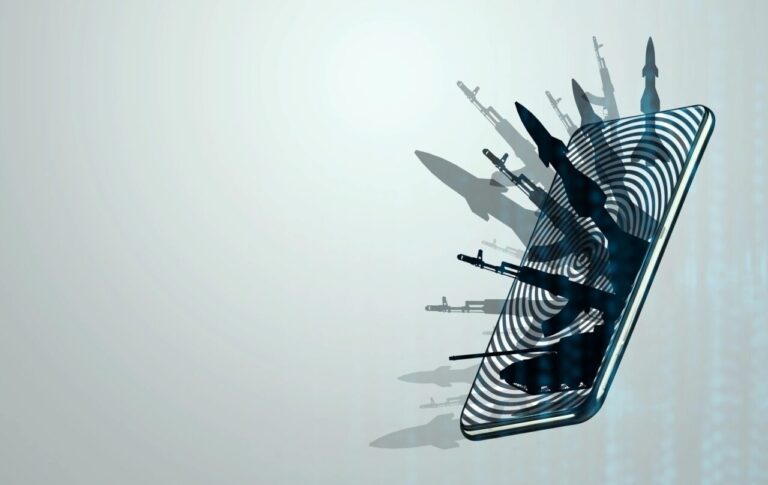
Major themes this year focused on feeding the Ukraine war, hyping the China threat, and avoiding context in Israel-Palestine
5 mins read
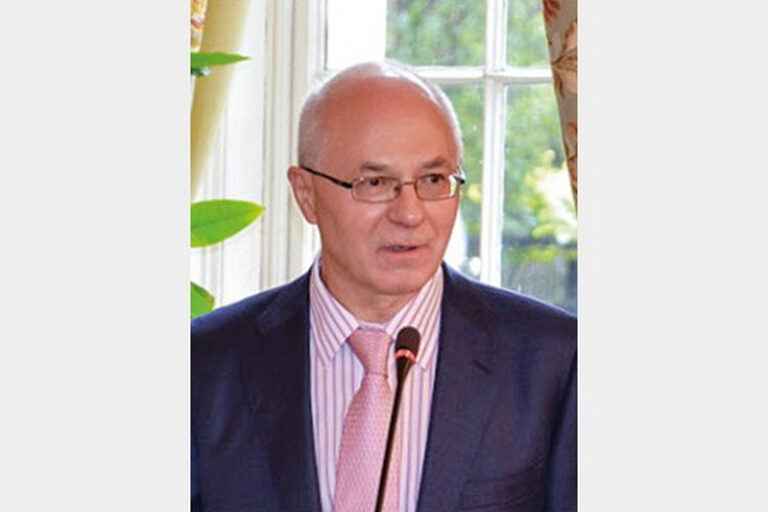
Managing Partner of BERG Associates, former CIA Officer and State Department Counter Terrorism official.
24 mins read
THERE is no longer any doubt that the Western blitzkrieg in Ukraine has failed phenomenally. The seven-year rearmament of Ukraine, comparable to the appeasement policy toward Nazi Germany (in order to provide it with sufficient military resources for an attack on the USSR), combined with a sharp increase in sanctions-based pressure on Moscow (all its impact came from the initial sanctions packages) could not bring down the Russian economy in the first 18 to 24 months of the SMO [Special Military Operation]. Thus, they were unable to destabilize the domestic political situation in the country or create conditions for “regime change” and the subsequent dismemberment of the country as a form of the “final solution” to the Russian question. Inflicting a “battlefield defeat” on Russia last summer and autumn also proved impossible. Even though we employed a clearly small number of people, we were able to mount an effective defense by adopting a long-term, stable, and almost industrialized format.