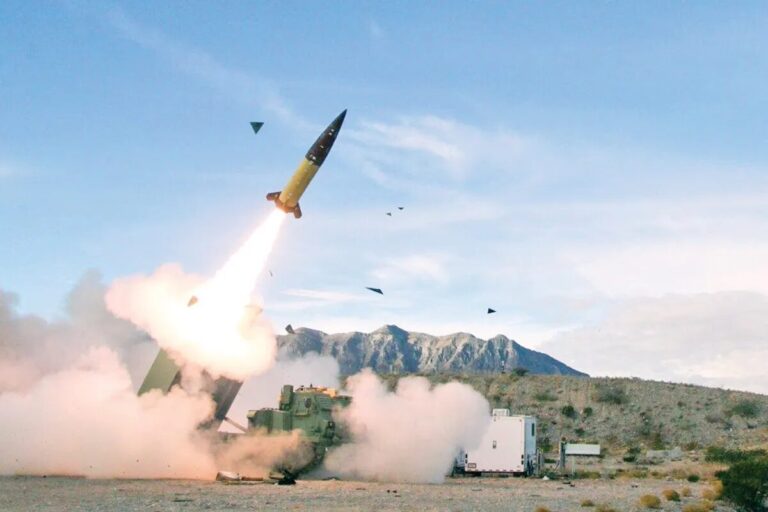
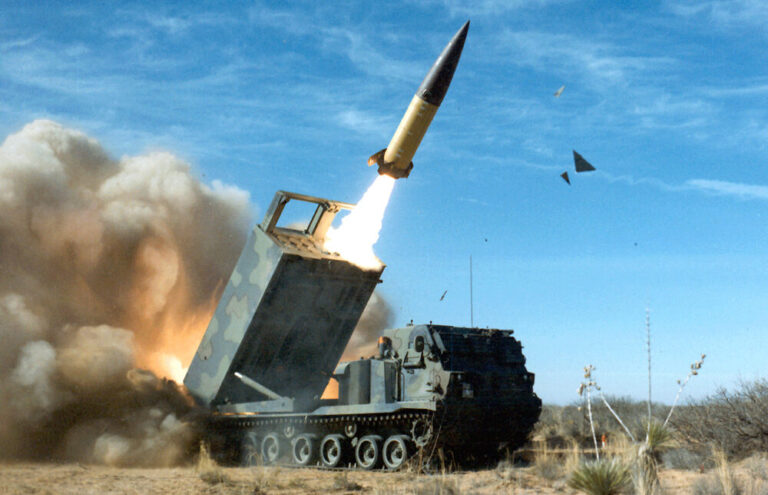
In response to the escalating NATO-Ukrainian threat to Russia’s national security, embodied most recently and intensively by the U.S., British, and French use of their own missiles on pre-2022 Russian territory (outside Crimea, annexed in 2014), Moscow adopted and activated into law a revised Nuclear Doctrine (ND) on November 19th. The original decision to revise Russia’s ND and, indeed, lower the threshold for use came in September when NATO countries first began discussing the use of ATACMs, Storm Shadows, Scalp, etc., which can only be fired with the participation of U.S., British, and/or French officers, making them and their countries direct combatants in a war against Russia, as Russian President Vladimir Putin stated at the time and quite logically so. This and the timing in which the September discussion was revived in November at the same time completion of the ND revisions was expected gives evidence to the fact that this Western course and escalation s in the NATO-Russia Ukrainian War is the driver of the ND revisions. Similarly, NATO-Ukraine’s use on November 18-19 of ATACMs and Storm Shadows by NATO against targets on Russian territory proper (Bryansk and Kursk) internationally recognized demonstrate how several stipulations in the new doctrine are intended by the Kremlin to address the escalation by NATO to direct involvement by its officers’ control over the launch and attack process of such missiles. Moreover, there are indications that conditions are now such that, according to the new doctrine, Russia’s use of nuclear weapons against Ukrainian, American, British, and French targets is justifiable and thus, regretfully, feasible.