

○
6 mins read
10 years later: Maidan’s missing history
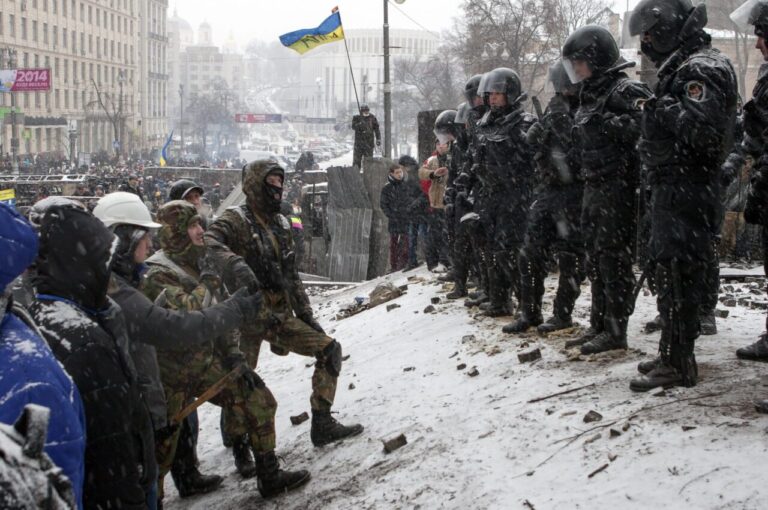
Zelensky has called the Maidan the ‘first victory’ in Ukraine’s fight for independence. But what was it really about?
6 mins read
Zelensky has called the Maidan the ‘first victory’ in Ukraine’s fight for independence. But what was it really about?
9 mins read
US-Russia relations once seemed so promising after the collapse of the USSR. An honest look at how they soured can help us understand today’s conflicts.
9 mins read
After two years of war, an increasingly sombre mood has swept over Ukraine and its supporters in the West
5 mins read
Lucius Annaeus Seneca (4 BC–65 AD) was a Stoic philosopher of ancient Rome and tutor to emperors. Known for his philosophic works and essays dealing with thorny moral and political issues, Seneca used philosophy as a compass to navigate the challenging terrain of life. Recently, as I was reading a new translation of Sentences from Seneca, it struck me that some of Seneca’s teachings may apply to the tragic conflict that is still unfolding in Ukraine. In the spirit of bringing the wisdom of the past to bear on the present, I offer four of Seneca’s sentences as ways of illuminating the problems of the war.

6 mins read
On Wednesday, February 14, Rep. Mike Turner (R-OH), the Chairman of the House Intelligence Committee, said in a statement that his panel had “made available to all Members of Congress information concerning a serious national security threat.”
8 mins read
Most Washington firms are still doing work for free, pushing for more aid and shaping messaging on the war
28 mins read
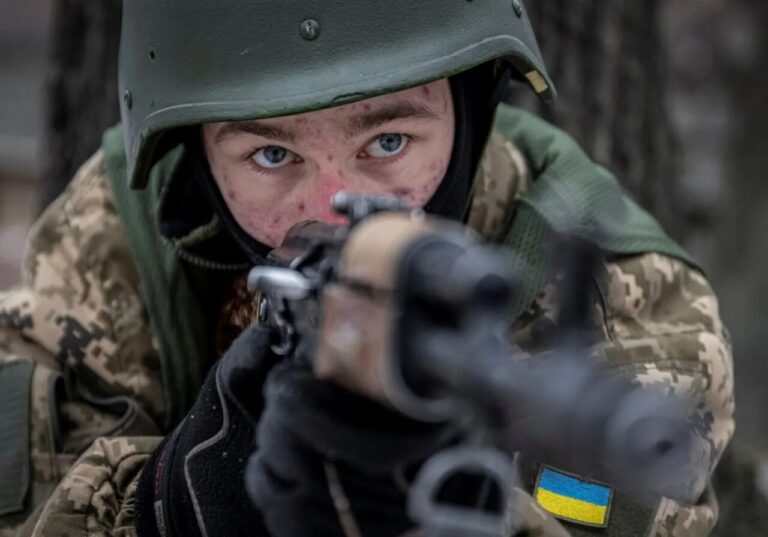
As the second anniversary of Russia’s full-scale invasion of Ukraine draws near, the outlook appears bleak: both sides have sustained horrific losses, millions of Ukrainians remain displaced or in exile, and there is no plausible sign of an end to the violence. Western capitals are struggling to supply funds and ammunition to Kyiv, while the Kremlin seemingly draws on limitless supplies and political support from authoritarian allies and continues to pound Ukrainian cities to rubble. Donald Trump, the presumptive Republican presidential candidate, says he would “encourage [Russia] to do whatever the hell they want” to NATO allies that spend insufficiently on defense, while Russian President Vladimir Putin threatens Poland and the Baltics in an interview with Tucker Carlson.
Six Brookings scholars (Aslı Aydıntaşbaş, Michael E. O’Hanlon, Steven Pifer, Melanie W. Sisson, Angela Stent, and Tara Varma) debate the questions Ukraine and its supporters now face:
Is Russia winning its war against Ukraine? Should the United States and its allies push Ukraine to negotiate with Russia?
How can the United States and its allies best ensure security and stability in Ukraine and Europe? Should NATO take further steps toward Ukrainian membership at its 75th-anniversary summit in Washington in July?
What concrete steps should the United States and Europe take in 2024 to prevent a Ukrainian defeat? What would the consequences of a Russian victory be for the trans-Atlantic alliance?
These are hard questions, with no easy answers; the authors disagree with each other, and some of the disagreements remain unresolved. But the one thing we all agree on is: rarely in living memory has so much been at stake, not just for Ukraine, but for Europe and the Western alliance. And, arguably, for Russia too.
13 mins read
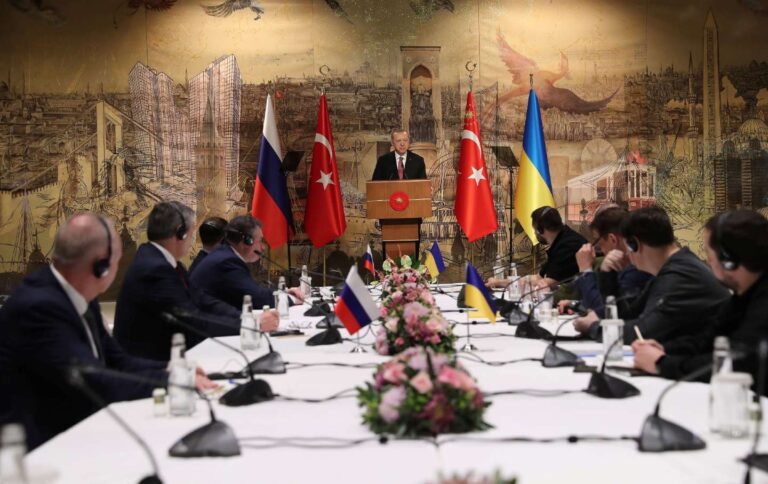
Russian-Ukrainian peace talks, February–March 2022.
7 mins read
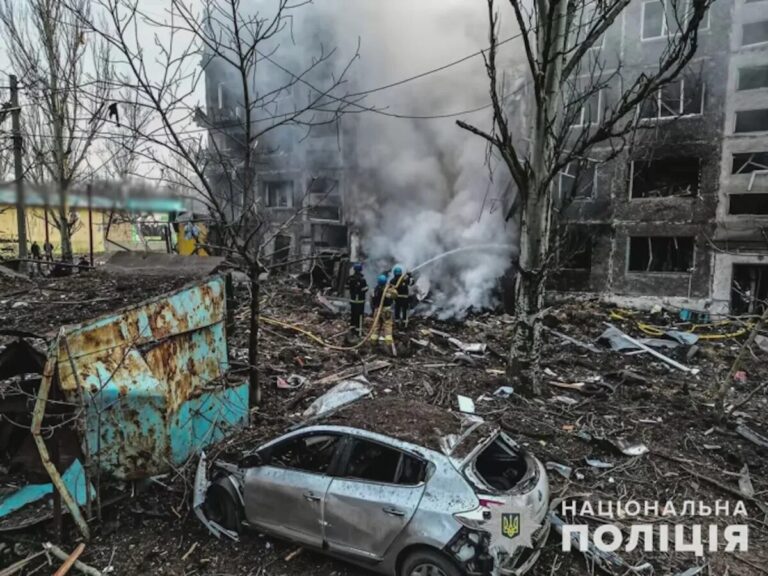
Zelensky may soon be forced out on account of the bloody battle loss at Avdiivka
6 mins read
Statespeople, diplomats, military brass and spies at a defence conference this weekend fear war is tilting in Moscow’s favour