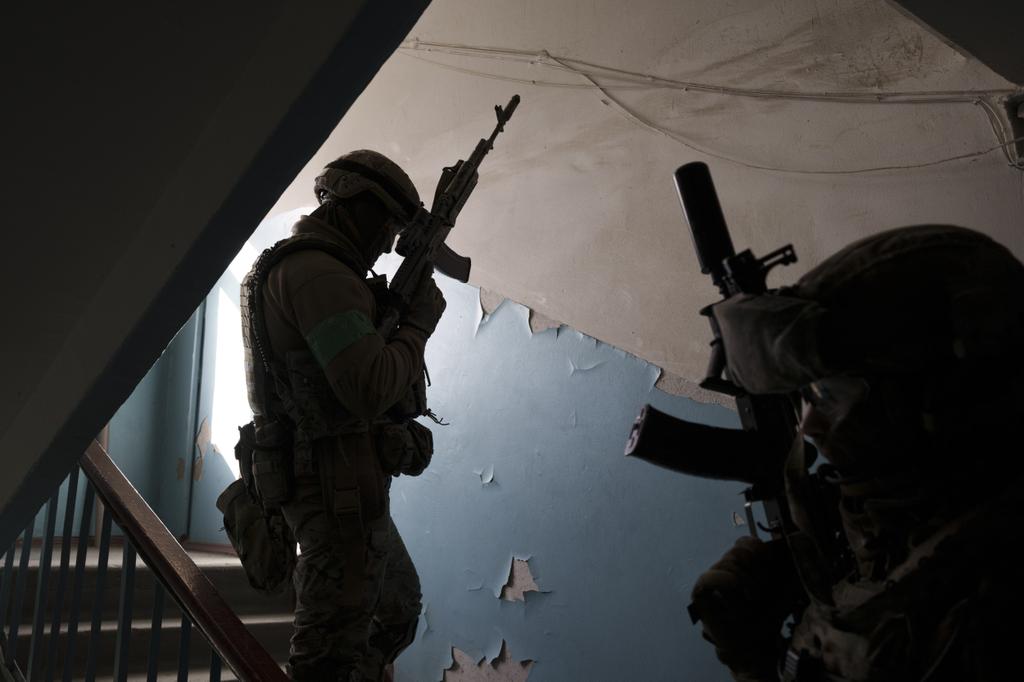
State terror operations that follow from CIA playbook contradict saintly image of Zelensky promoted in the U.S. media.
Ukrainian President Volodymyr Zelensky’s saintly image in the media is contradicted by state terror operations being conducted under his orders against political dissidents and Ukrainian civilians accused of collaboration with Russia.
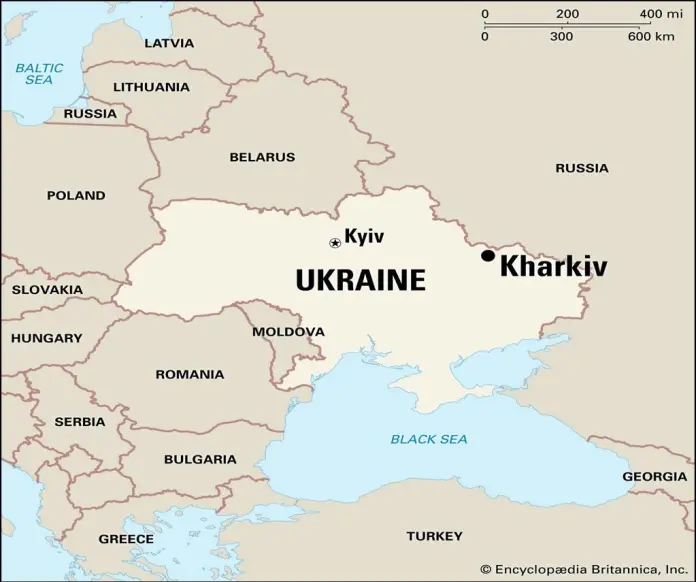
A YouTube video accompanying the short article juxtaposed a speech by Zelensky saying that “collaborators will be brought to justice” with the arrest of a middle-aged Kharkiv man named Viktor by the Ukrainian Security Services (SBU) because of a social media post praising Vladimir Putin, calling for secession and insulting the Ukrainian flag—which Viktor called a “symbol of death.”
The SBU agent showed Viktor his social media post and asked: “You supported Putin? Are you supporting the Russian army. You are not speaking very nicely about the Ukrainian flag, are you?”
Viktor responded, before being taken away: “I am sorry. Yes I commented a lot. I told you. I changed my mind.”
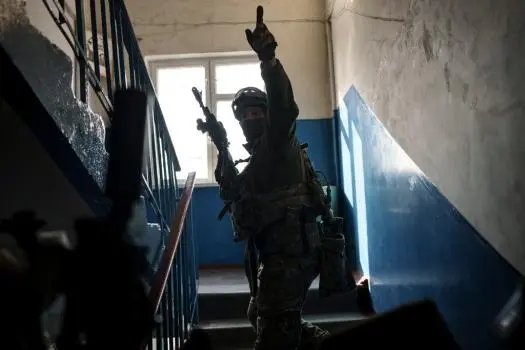
SBU raid in Kharkiv.
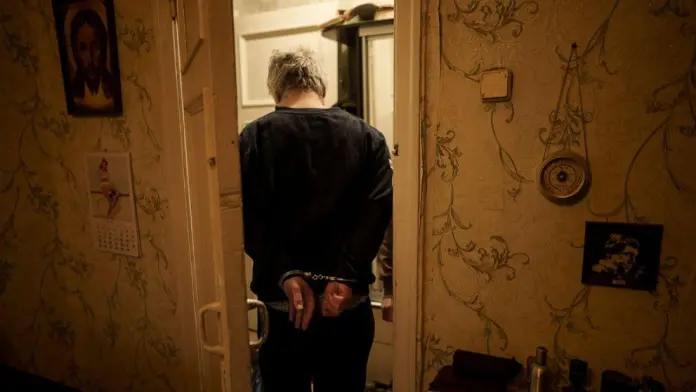
The video shows another raid by the SBU on an apartment in Kharkiv where the SBU arrested a former Ukrainian army officer who had contacts with the Russians on his phone in the days after the city had been shelled.
An SBU agent says that the man had “put us in danger and civilians [in danger].”
Man detained for Russian collaboration in SBU raid in Kharkiv.
The man’s father, Volodymyr Radnenko, asked the SBU agent: “Who is shelling us? It’s not our (people). It’s your fascists. And he [the son] just gets angry at that. So you understand. That’s all.”
Mr. Radnenko’s comments sum up the injustice of the SBU sweeps. Ukrainian citizens are being criminalized for expressing anger at Ukrainian army practices.
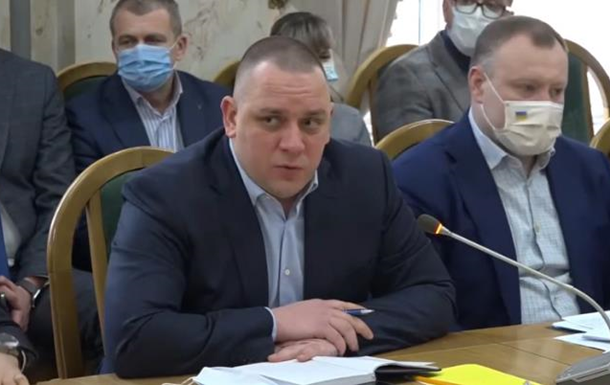
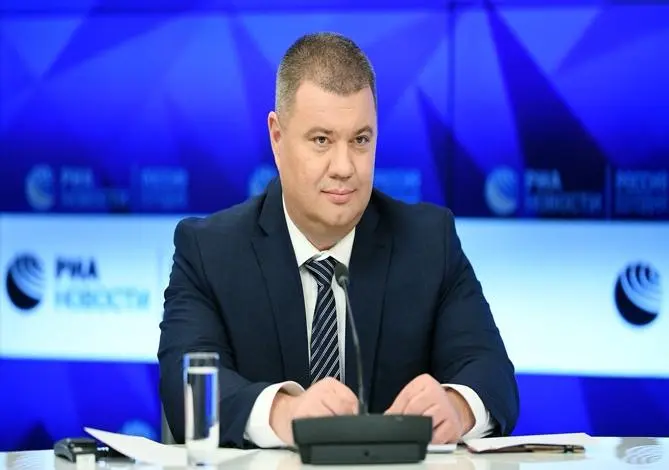
Dudin ominously spoke in a dark basement where the SBU moved its operations after its building in central Kharkiv was shelled.
Roman Dudin
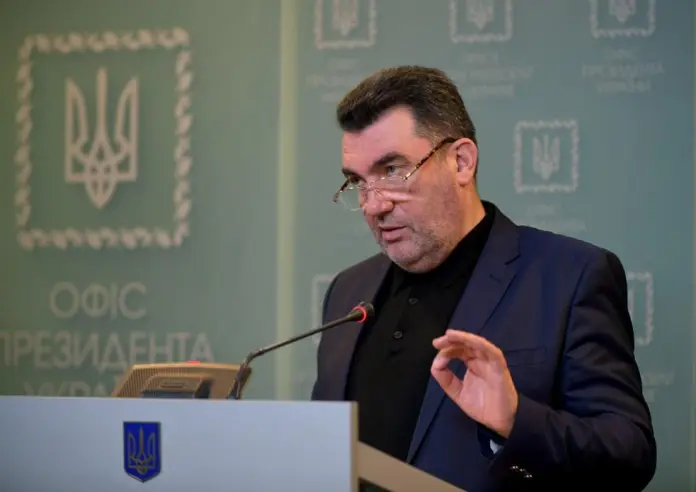
According to Oleksiy Danilov, head of Ukraine’s Security Council, a “registry of collaborators” by Ukraine is currently being compiled and will be released to the public as part of martial law programs that have resulted in the banning of 11 political parties.
Oleksiy Danilov
Under the current regulations, offenders face up to 15 years in prison for collaborating with Russian forces, making public denials about Russian aggression or supporting Moscow. Anyone whose actions result in deaths could face life in prison.
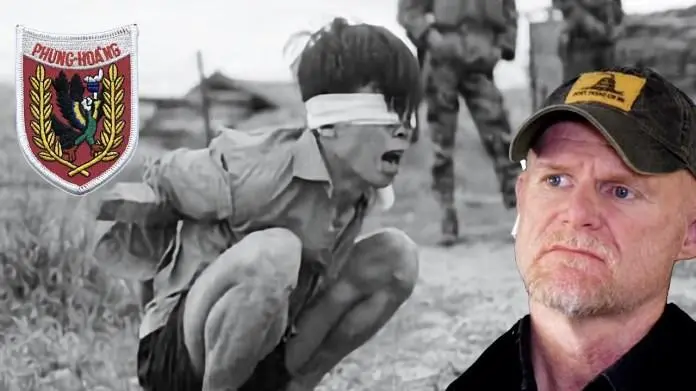
A previous CAM exposé pointed to the ominous parallels between the SBU operations in Ukraine and the Phoenix program in Vietnam, which resulted in the killing, imprisonment and torture of thousands of South Vietnamese, including civilian officials accused of being loyal to the left-wing, anti-imperialist National Liberation Front (NLF).
Phung Hoang or Phoenix program image.
In both cases, the CIA is a key coordinator behind the scenes and helps in the compiling of blacklists that result in the detainment, and often torture and murder of civilians. .
Douglas Valentine, author of the seminal book The Phoenix Program (1990), in a recent interview told me that Phoenix went public in 1968 under the justification that it was “protecting the people from terrorism”—like with the SBU programs today. The detentions were largely designed to encourage defections while striking fear in the public.
According to Valentine, on January 6, 1969, New York Times reporter Drummond Ayres offered a favorable commentary on Operation Phoenix, saying that “more than 15,000 of the 80,000 VC [Vietcong] political agents thought to be in South Vietnam are said to have been captured or killed.”
Ayres further expressed the belief that “the general course of the war…now appears to favor the Government” and predicted that Phoenix would “achieve much greater success as the center’s files grow.”
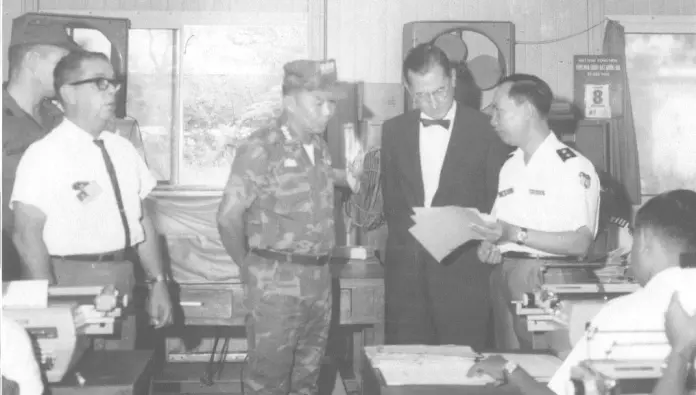
William Colby (in bow tie) with South Vietnamese officials reviewing dossier as part of Phoenix program operations.
Despite the good reviews, Valentine said that the surfacing of Phoenix in the press sent the publicity-shy CIA running for cover, and led to new legislation designed to legitimate its activities.
Similarly today, as more information comes to light, we may see renewed CIA efforts to try to legitimate its undercover operations and to burnish the image of its proxy forces in Ukraine whose modus operandi—like that of its predecessors in Vietnam—is morally abhorrent.
The details of the peace deal presented today by US special envoy Steve Witkoff are consistent with the report in the Financial Times discussed in my previous article and with Larry Sparano in the posted interview. Putin will halt the Russian advance prior to driving Ukrainian soldiers out of all of the territory that has been reincorporated into Russia. It appears to be the case that the borders between Russia and Ukraine will be the current front line, so Putin is withdrawing Russia’s claim to the Russian territories still under Ukrainian occupation.
Russia and the US seem near a Ukraine peace deal. Kyiv’s role may be moot.
President Donald Trump’s hopes of securing a quick Ukraine peace deal hang in the balance after Washington’s envoy, Steve Witkoff, held his fourth Kremlin meeting with Russian President Vladimir Putin Friday.