Foreign Policy

news

3 mins read

‘Not easy’ to seize Russia assets, says EU task force head

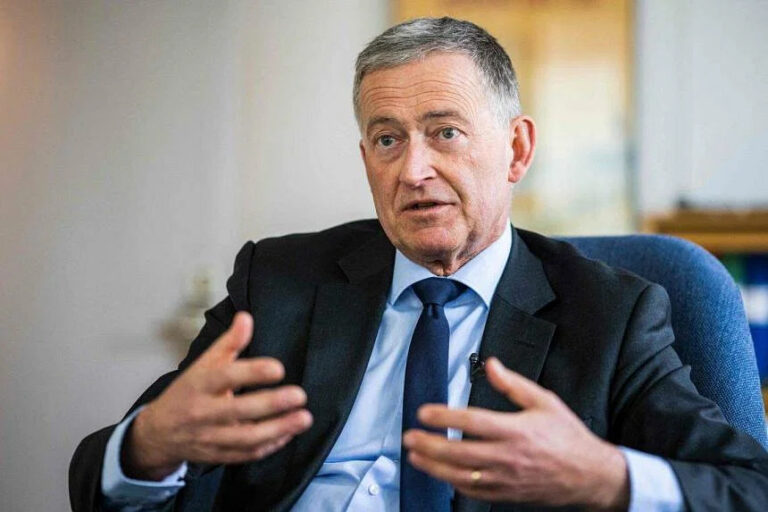
STOCKHOLM – The European Union’s plans to seize Russian assets following Moscow’s invasion of Ukraine, prioritising state assets of around US$350 billion (S$466.5 billion), are unprecedented and tricky, the EU task force head told AFP on Friday.
news

6 mins read

One Continuous War

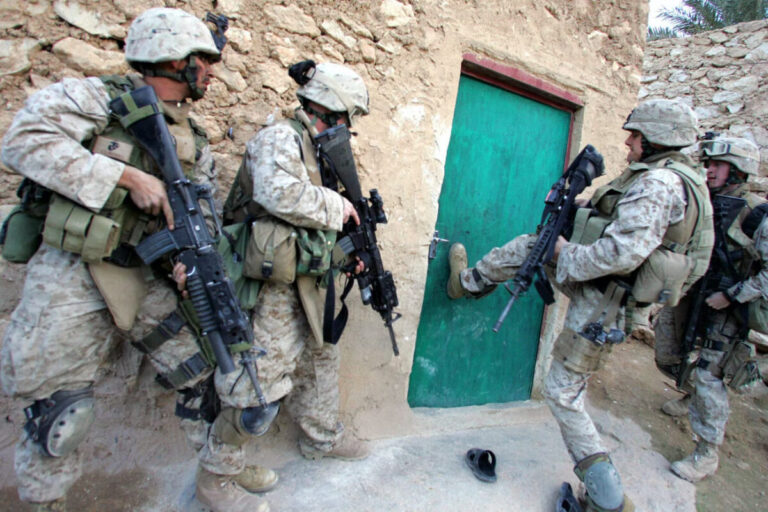
Twenty years after the Iraq invasion: The urge to democratize Russia comes from a familiar place.

news

24 mins read

Return of the King

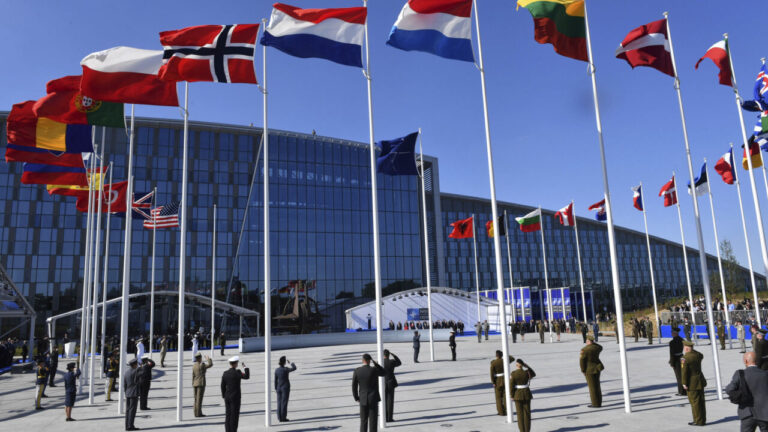
If there ever was a question of who is boss in Europe, NATO or the European Union, the war in Ukraine has settled it, at least for the foreseeable future. Once upon a time, Henry Kissinger complained that there was no single phone number on which to call Europe, far too many calls to make to get something done, a far too inconvenient chain of command in need of simplification. Then, after the end of Franco and Salazar, came the southern extension of the EU, with Spain joining NATO in 1982 (Portugal had been a member since 1949), reassuring Kissinger and the United States against both Eurocommunism and a military takeover other than by NATO.

news

6 mins read

The U.S. Is Not an Indispensable Peacemaker

There was a time when all roads to peace went through Washington. From the 1978 Camp David Accords between Israel and Egypt brokered by President Jimmy Carter to the 1993 Oslo Accords signed on the White House lawn to Senator George Mitchell’s Good Friday Agreement that ended the fighting in Northern Ireland in 1998, America was the indispensable nation for peacemaking. To Paul Nitze, a longtime diplomat and Washington insider, “making evident its qualifications as an honest broker” was central to America’s influence after the end of the Cold War.

news

9 mins read

The Cover-Up

The Biden Administration continues to conceal its responsibility for the destruction of the Nord Stream pipelines

news

8 mins read

China steps up, a new era has dawned in world politics

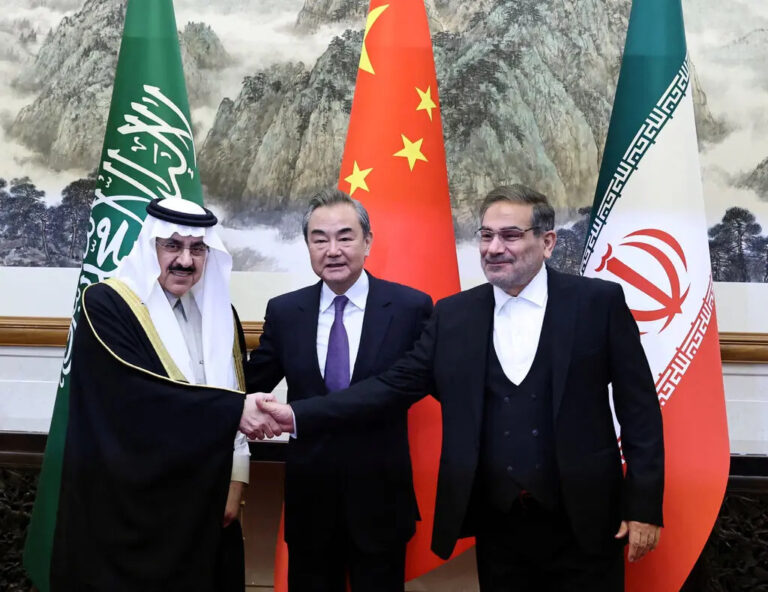
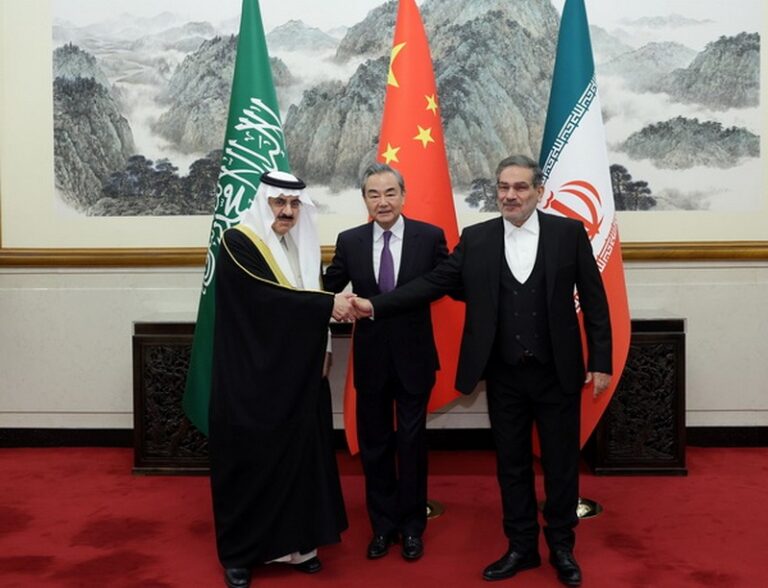
The agreement announced on Friday in Beijing regarding the normalisation of diplomatic relations between Saudi Arabia and Iran and the reopening of their embassies is a historic event. It goes way beyond an issue of Saudi-Iranian relations. China’s mediation signifies that we are witnessing a profound shift of the tectonic plates in the geopolitics of the 21st century.

news

8 mins read

ACURA ViewPoint: Pietro Shakarian: On the Agency of Former Soviet Republics

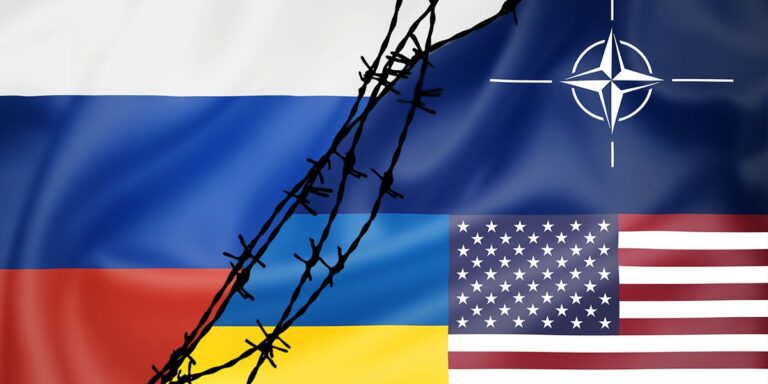
The ongoing war in Ukraine has been framed in multiple ways by multiple commentators of international affairs. Depending on one’s point of view, it could be characterized as a war between Russia and Ukraine, a proxy war between Russia and NATO, or a proxy war between Russia and a US-backed West. The latter two perspectives anchor the war in the larger context of the gradual deterioration of US-Russia relations since the high point at the end of the Cold War. In this framework, most scholars who adhere to this position perceive the expansion of NATO as a key reason for the deterioration and eventual break-down of ties between Moscow and Washington.

news

6 mins read

China’s Foreign Policy: Lessons for the United States

China’s orchestration of the renewal of diplomatic relations between Iran and Saudi Arabia should be a wakeup call to the Biden administration’s national security team, particularly to Antony Blinken’s Department of State. China’s success exposes flaws in American national security policy, particularly the policy of nonrecognition as well as the reliance on the use of military force to achieve gains in international politics. Our instruments of power are not working.

news

2 mins read

Geopolitical Rumblings Leave U.S. Behind

Over the last month we have seen astonishing geopolitical developments.

news

9 mins read

How Russia and China overtook the West

A new world order is slowly taking shape