

○
5 mins read
Define the Mission
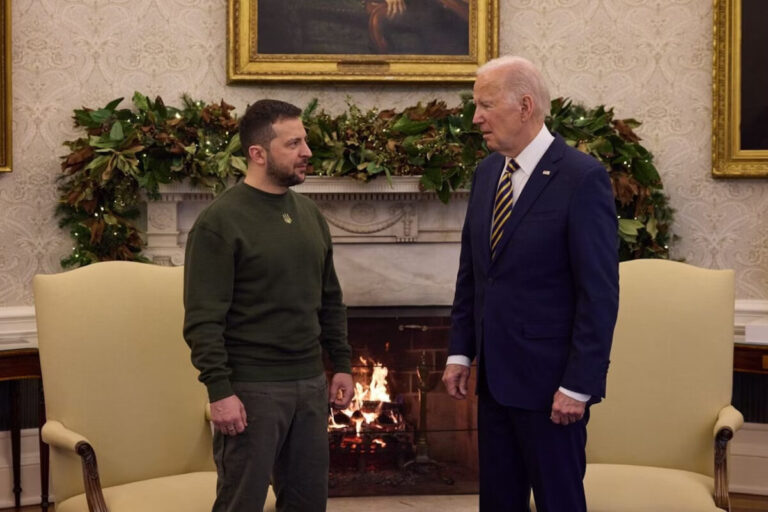
The White House has an obligation to explain, explicitly and officially, what we are trying to achieve in Ukraine.
5 mins read
The White House has an obligation to explain, explicitly and officially, what we are trying to achieve in Ukraine.

4 mins read
The Biden administration looks set to become even more warlike than it already was if you can imagine, with virulent Russia hawk Victoria Nuland and virulent China hawk Charles Q Brown now being elevated to lofty positions by the White House.

7 mins read
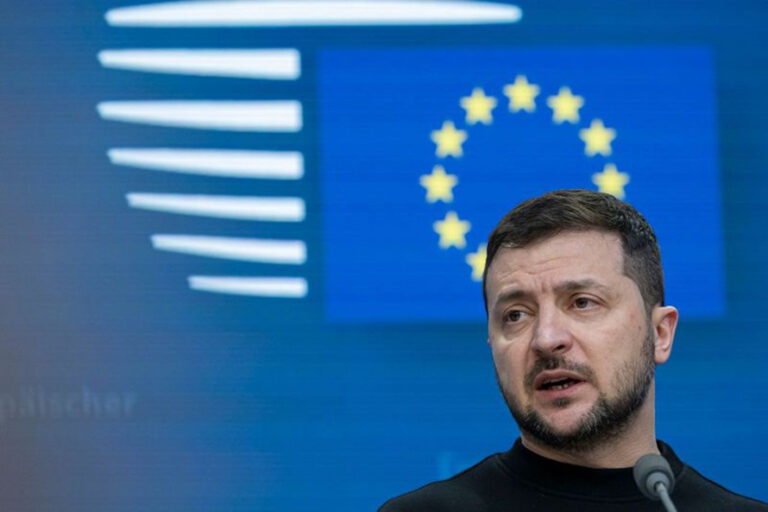
The Washington Post’s senior international affairs columnist, David Ignatius, is one of the leading stenographers in the mainstream media. He has excellent sources in the Pentagon and the Central Intelligence Agency because he reliably and accurately reports their briefings and so-called leaks to influence public perceptions. His most recent column, “The West shouldn’t feel gloomy about Ukraine,” conveys the message that the Biden national security team wants to convince a naive public of its success in Ukraine.
19 mins read
Western journalists are all but unanimous that negotiating with Russia would equal forgiving it its aggression. Nothing short of a crushing victory for Ukraine is conscionable. The risk of escalation is rarely mentioned.
4 mins read
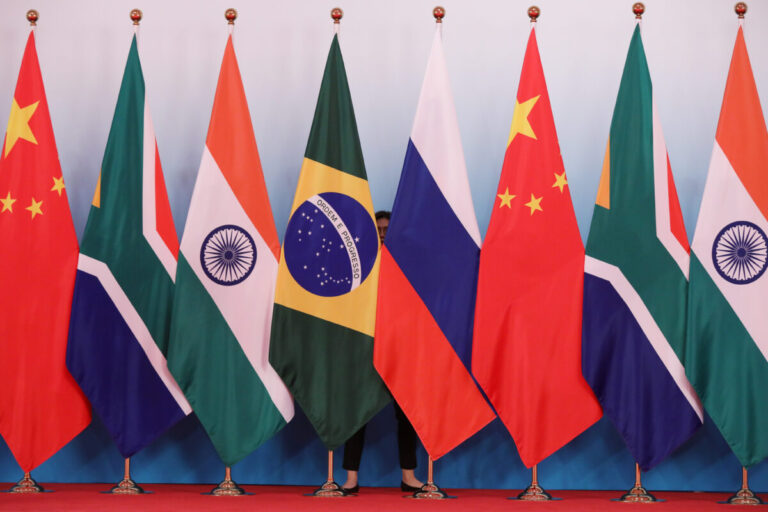
Twenty-two countries that have formally applied to join bloc. Putin skipping summit out of consideration for BRICS: Sooklal
4 mins read
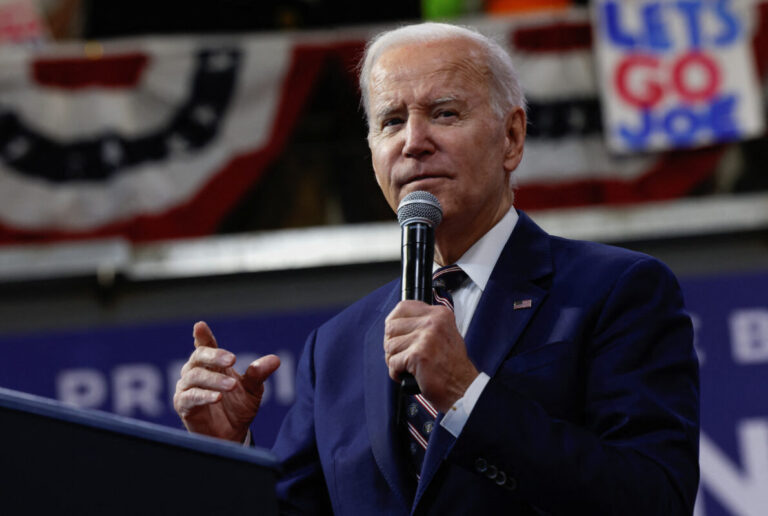
U.S. officials invariably stress their commitment to human rights and are extremely quick to condemn other countries for alleged violations. However, Washington’s conduct too often makes a mockery of that supposed commitment. The latest examples of such hypocrisy are two aspects of U.S. policy regarding the Russia-Ukraine war, both involving the provision of highly controversial weapons to Ukrainian forces.

7 mins read
When the Cold War ended in 1989 and the Soviet Union peacefully dissolved at the end of 1991, the US led- Atlantic Alliance was a coherent, clearly defined organization of 16 member states. The second tier was clearly seen to be composed of Britain, Germany and France, along with Italy and they could generally be relied upon to support US policies, at least in theory, with occasional efforts to influence Washington away from risks of confrontation with the Soviet Union.
30 mins read
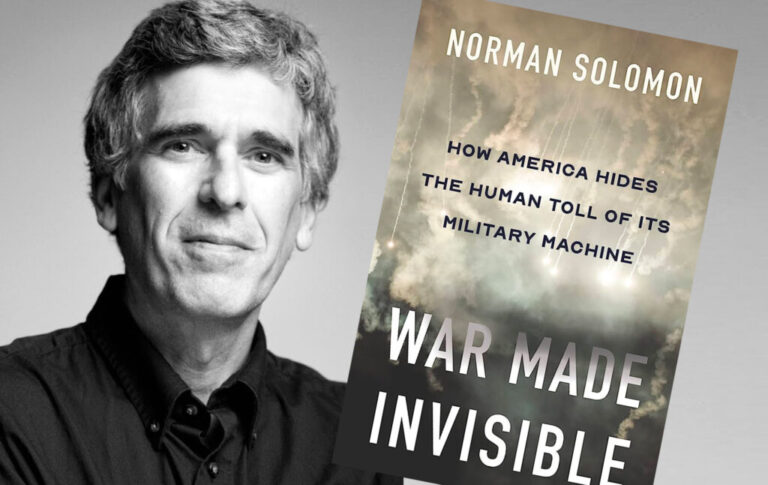
Media critic Norman Solomon on how the U.S. media keeps the human consequences of the country’s foreign policy out of view.
14 mins read
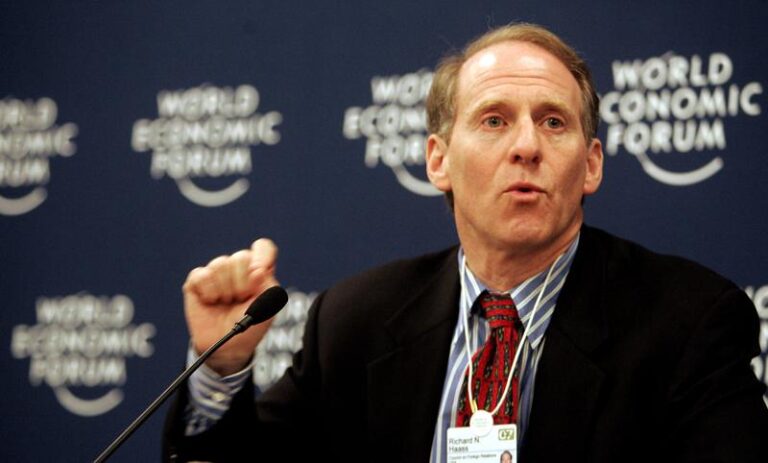
Council on Foreign Relations is a Cause of Not a Solution for U.S. Problems

7 mins read
That bar, the Red Star, on the far side of eastern Europe was closed- until the Ukraine war started. So why did the White Moon bar on this side of the street decide to stay open, even extending its drinking hours?