Foreign Policy

news

7 mins read

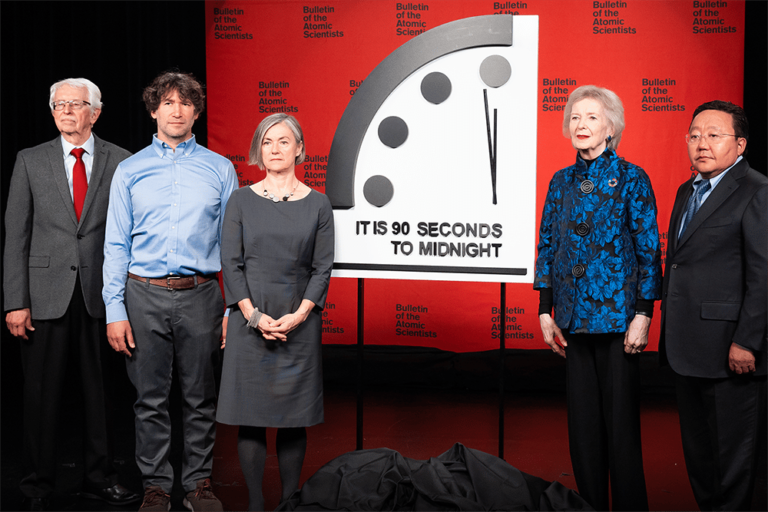
War in Ukraine as an indicator of the gravest crisis of Western civilization

“There should be no Russian who goes to sleep without wondering if they’re going to get their throat slit in the middle of the night.” — General Mark Milley telling Ukrainian military to inspire them ahead of operations.

news

6 mins read

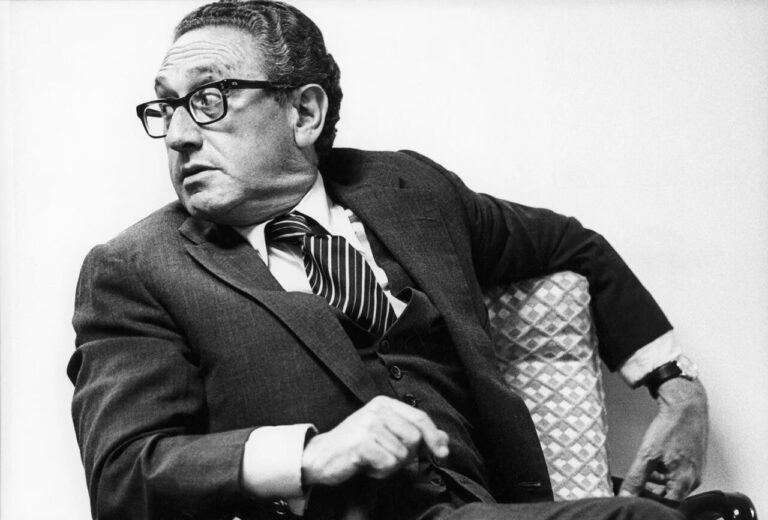
48 years of Covering Kissinger

It was 1975: Henry Kissinger had just invented shuttle diplomacy. He had brought messy unsatisfactory disengagement agreements between Israel and first Egypt then Syria in the two years after the 1973 Yom Kippur War.

news

6 mins read

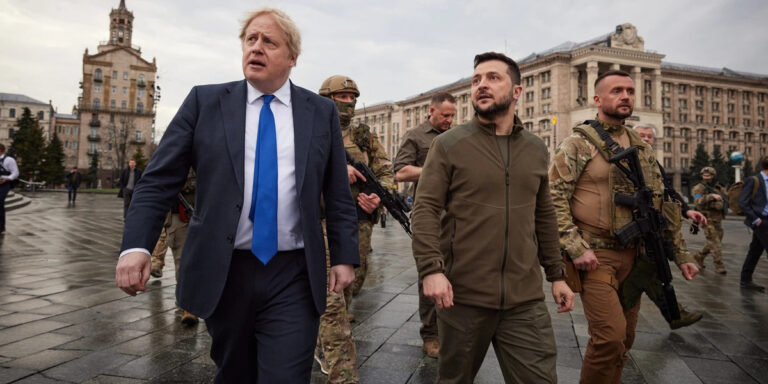
Did the West deliberately prolong the Ukraine war?

Mounting evidence proves that we cannot believe anything our officials say about the futility of negotiations.

news

6 mins read

The Crumbling of the World Order and a Vision of Multipolarity: The Position of Russia and the West

A new report from the Valdai Discussion Club asserts that, “Somewhat belatedly, the centre of political initiative will also shift to the East. This phenomenon will not be a short-term one, but it will become a determining process during the 21st century and, most likely, beyond.”

news

5 mins read

Two Titans: Winston Churchill and the Passing of Henry Kissinger

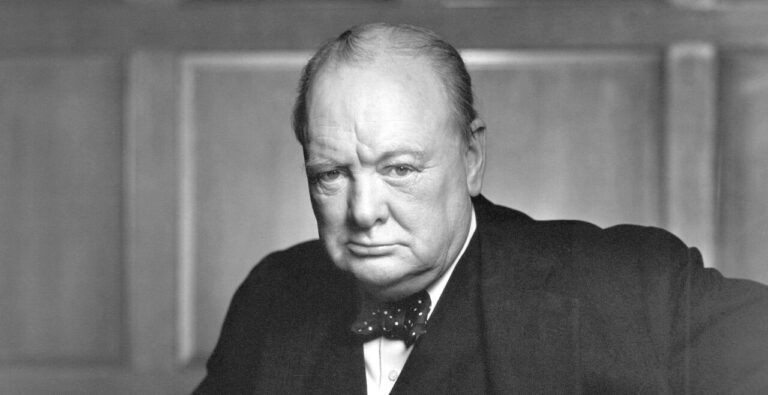
Winston Churchill dominated the grand strategy debates and policies of the British Empire, the world’s great superpower through the first half of the 20th century. Henry Kissinger dominated the grand strategy of the world’s great superpower the United States through the half century from 1969 almost to his death. Both of them reshaped the world. Both of them literally saved their nations and societies from destruction at crucial moments in their history. Yet both of them lived to see their principles, visions and achievements abandoned by later generations who pretended to revere them.

news

31 mins read

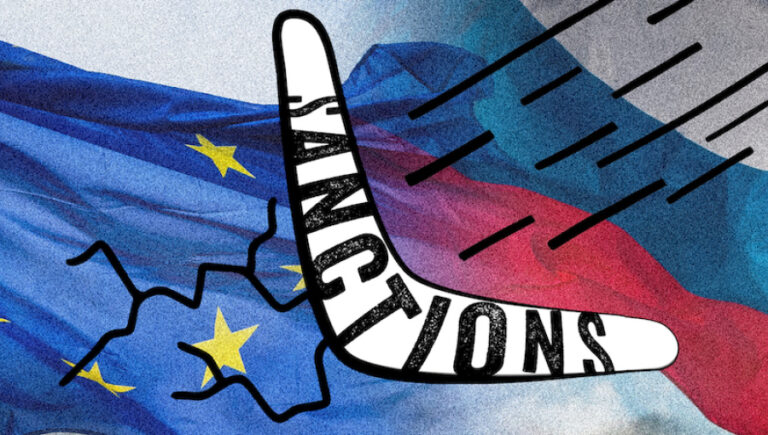
LONG READ: The boomerang effect: sanctions hurt Europe more than Russia

The boomerang effect: sanctions are hurting the West more than Russia.

news

8 mins read

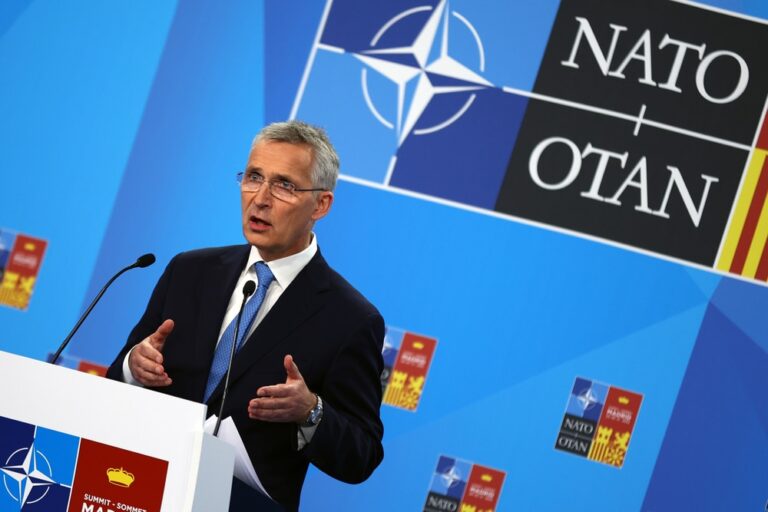
NATO Chief Puts Hypocrisy on Full Display

NATO Secretary General Jens Stoltenberg put NATO’s hypocrisy on display while talking to reporters ahead of the meeting of NATO foreign ministers in Brussels on November 28.

news

2 mins read

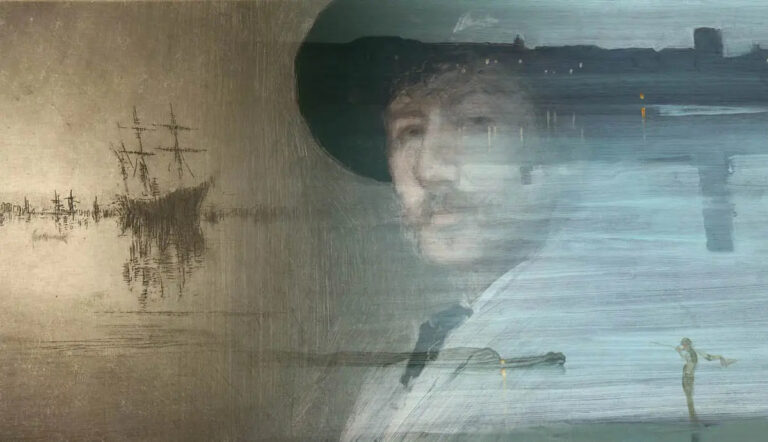
Why Did the Great American Artist, James Whistler, Claim to Be ‘Born in Russia’?

James McNeill Whistler was born in Lowell, Massachusetts in 1834, although he would later claim St. Petersburg, Russia as his birthplace, saying “I do not choose to be born in Lowell”. Whistler’s family origins, however, were very much American and historically ironic. His Irish grandfather had been a British soldier under General Burgoyne at the Battle of Saratoga  in the Revolutionary War, later to enlist in American service along with many Irish colonists who had a natural affinity for the anti-British uprising. Indeed, legend has it that a certain Irish marksman may have changed the course of history. Timothy Murphy was a rifleman and expert sniper in the American Revolutionary War. Some say he changed the course of the War when in battle he gunned down two British generals at 300 yards. This was the Battle of Saratoga in which James Whistler’s grandfather fought with the British against the Americans.


news

5 mins read

The Danger Of War With Russia

Trotsky, the one-time close comrade of Lenin, reportedly said, “You may not be interested in war, but war is interested in you”.

news

1 min read

Book Talk: The Lost Peace

After the end of the Cold War, hopes were high for an era of U.S.-Russian cooperation and peace and harmony in Europe. In a vitally important new book, The Lost Peace: How the West Failed to Prevent a Second Cold War (Yale University Press November 2023), Dr. Richard Sakwa explores the reasons for the collapse of those hopes in the thirty years that followed. Understanding this history is vital not only to understanding the roots of the present disastrous war in Ukraine, but to formulating ways out of that conflict; and as the war sinks into a bloody stalemate and U.S. challenges elsewhere mount, finding such paths is among the greatest tasks facing U.S. diplomacy. Anatol Lieven, director of the Eurasia program at the Quincy Institute, discussed the book with the author.